Saving the River’s Fish
For schools of migratory shad, sturgeon, river herring, blue crab, menhaden and striped bass, the Hudson is an unimpeded corridor from the Atlantic to their ancestral spawning grounds. Tidal action stirs the brackish water and traps the rich stock of nutrients and minerals drained from the Hudson’s 13,500-square-mile watershed. These nutrients provide the basis of the food web, which feeds the younger migratory fish, making the Hudson one of the two principal spawning grounds on the East Coast.
However, studies show Hudson River fish species in serious long-term decline, and at risk of collapse.
Rainbow smelt has disappeared from the Hudson completely. Atlantic tomcod and winter flounder are on the verge of local extinction. Others – American eel, American shad, bluefish, hogchoker, white perch – show significant to severe declines. Striped bass populations had made a comeback some years ago, but now are declining due to overfishing. We’re seeing some hopeful signs for Atlantic sturgeon after decades of protection under the Endangered Species Act, but they are still at historically low levels. Being long-lived, they are slow to mature – it takes 20 years to reach maturity and lay eggs – and recovery will take a sustained effort.
To give the fish a fighting chance, we need to do more.
Riverkeeper’s Saving Hudson River Fish Campaign is aimed at halting the decline of Hudson River’s signature fish species and restoring their numbers to sustainable levels. The campaign addresses the many negative impacts on the health of the fish, including habitat loss and degradation, sewage overflows, power plant fishkills, fish barriers, invasive species, ocean bycatch and overfishing.
Additionally, our Save A Million Bass program reaches striped bass fishers along the east coast, providing educational resources about the rules, regulations, and recommendations for helping the species thrive.
Read more in the links below about Hudson River species and efforts to protect them.
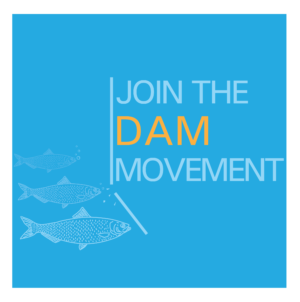 New York State has an enormous opportunity to help fish populations rebound. About 1,600 dams, most of them obsolete, fragment the rivers and streams of the Hudson Valley. By removing dams, we can reopen vital spawning grounds, revive the web of life, and allow nature to heal and flourish.